

A failing heat exchanger is one of the most serious problems a gas furnace can develop. Unlike a worn blower motor or faulty thermostat, heat exchanger damage can create a safety concern involving combustion gases and potential carbon monoxide exposure. For Michigan homeowners who depend on their heating systems through months of freezing temperatures, recognizing possible warning signs and arranging a timely inspection can help protect both their household and their heating equipment.
What Does a Furnace Heat Exchanger Do?
Inside a gas furnace, the heat exchanger transfers heat from combustion gases to the air circulating through your home. Its metal walls keep those combustion gases separated from the household air while allowing heat to pass through.
When the furnace operates, burners produce heat inside the exchanger. The blower moves indoor air across its exterior, warming that air before distributing it through the ductwork. Meanwhile, combustion byproducts travel through the furnace’s venting system.
This separation is essential. A damaged exchanger can interfere with safe combustion and venting, potentially allowing combustion gases to enter areas where they do not belong.
Although modern furnaces include safety controls, those components cannot replace a thorough examination of the heating system.
Warning Signs of Heat Exchanger Problems
Heat exchanger damage does not always produce obvious symptoms. Some failures remain unnoticed until a technician examines the furnace during a service appointment. However, several conditions deserve attention.
Unusual Furnace Odors
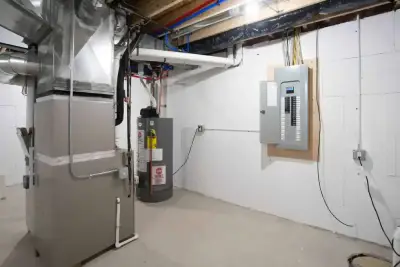
An unfamiliar metallic or chemical-like smell during heating operation can indicate overheating or another equipment problem. Odors alone cannot confirm a cracked exchanger, but persistent or worsening smells warrant investigation.
A rotten-egg odor is different. It may indicate a natural gas leak and requires immediate attention. Leave the building, avoid operating electrical switches, and contact the gas utility or emergency services from a safe location.
Soot or Discoloration Around the Furnace
Black soot, unusual staining, or discoloration near the burner compartment can indicate incomplete combustion.
Possible causes include burner contamination, inadequate combustion air, venting restrictions, or equipment deterioration. These conditions can also increase carbon monoxide production.
Visible soot does not automatically establish exchanger damage. It does, however, justify an examination of the furnace’s combustion performance and related components.
Changes in Burner Flame Appearance
Gas furnace burners should generally produce a stable blue flame under normal operating conditions. Persistent yellow flames, unusual flickering, or flame movement when the blower starts may indicate combustion or airflow problems.
Flame appearance varies by equipment design, and visual observations alone are not a reliable diagnostic method.
Our furnace repair services address heating malfunctions through equipment testing rather than relying on a single visible symptom.
Repeated Furnace Shutdowns
A furnace that repeatedly starts and stops may be experiencing overheating, restricted airflow, or safety-control interruptions.
Clogged filters, blower problems, and improperly sized equipment can produce similar symptoms. A damaged heat exchanger is another possibility that requires evaluation.
Frequent shutdowns should not be dismissed simply because the furnace eventually restarts. Repeated overheating can place additional stress on internal components and accelerate equipment deterioration.
Unexplained Carbon Monoxide Alarm Activation
A carbon monoxide alarm is an urgent warning, not a routine furnace maintenance notification.
If an alarm sounds, evacuate everyone from the building immediately, including pets. Contact emergency services or the gas utility from outside and do not reenter until emergency responders confirm that it is safe.
Carbon monoxide is colorless and odorless. Headaches, dizziness, nausea, weakness, and confusion can be symptoms of exposure, but dangerous concentrations may occur without noticeable symptoms.
Seek immediate medical attention for suspected exposure.
What Causes a Furnace Heat Exchanger to Crack?
Heat exchangers experience repeated heating and cooling cycles throughout their service life. Metal naturally expands when heated and contracts as it cools.
Over time, this thermal movement can contribute to fatigue, particularly when the furnace experiences excessive operating temperatures.
Several conditions can increase the likelihood of damage:
- Restricted airflow that causes the furnace to overheat
- Blower malfunctions that reduce heat removal
- Improper combustion or equipment adjustments
- Corrosion associated with moisture or combustion byproducts
- Manufacturing defects or age-related metal deterioration
Michigan’s extended heating season can place substantial operating demands on residential furnaces. In communities such as Fenton, prolonged winter operation makes consistent airflow and proper combustion especially valuable.
Routine furnace maintenance services can help identify conditions that place unnecessary stress on heating equipment before more extensive damage develops.
Cracked Heat Exchanger vs. Other Furnace Problems
Several furnace problems share similar symptoms, making accurate diagnosis essential.
| Symptom | Possible Cause | Recommended Response |
|---|---|---|
| Frequent overheating | Restricted airflow or blower malfunction | Inspect airflow and safety controls |
| Yellow or unstable flames | Combustion or venting problems | Perform combustion testing |
| Soot accumulation | Incomplete combustion | Evaluate burners and venting |
| Repeated shutdowns | Limit switches, airflow, or component failure | Diagnose operating conditions |
| Suspected exchanger crack | Metal fatigue, corrosion, or overheating | Inspect exchanger integrity |
A cracked exchanger does not necessarily release carbon monoxide into living spaces during every operating condition. Pressure differences, crack location, combustion quality, and venting performance all influence the hazard.
Nevertheless, suspected structural damage requires prompt attention because operating conditions can change.
How HVAC Technicians Inspect Heat Exchangers
A reliable assessment involves more than looking through the furnace cabinet with a flashlight.
Depending on the equipment and suspected problem, our technicians may evaluate combustion performance, measure carbon monoxide concentrations, examine venting, inspect accessible exchanger surfaces, and assess airflow.
Specialized cameras or manufacturer-approved inspection procedures may help locate damage that is difficult to see.
No single combustion reading conclusively proves that an exchanger is intact. Similarly, elevated carbon monoxide readings require investigation but do not automatically establish that the exchanger is cracked.
A complete diagnosis considers the furnace’s operating conditions and the manufacturer’s inspection requirements.
When heating performance becomes unreliable, heating system inspections can help establish whether the problem involves routine service needs or a more serious equipment concern.
Should You Repair or Replace a Damaged Heat Exchanger?
The appropriate decision depends on furnace age, warranty coverage, replacement-part availability, and overall equipment condition.
A confirmed cracked heat exchanger generally requires replacement of the damaged component or the furnace itself. Patching or sealing the crack is not an acceptable substitute for a manufacturer-approved repair.
Heat exchanger replacement can be expensive because accessing the component may require substantial furnace disassembly. Depending on equipment design and labor requirements, costs can reach several thousand dollars.
For a relatively new furnace with valid warranty coverage, component replacement may be reasonable. For an older system with additional mechanical problems, complete furnace replacement services may provide better long-term value.
Before recommending either option, we consider repair costs, equipment condition, efficiency, and expected remaining service life.
When to Schedule a Furnace Safety Inspection
Arrange an inspection when your furnace develops persistent combustion-related odors, unusual soot, repeated overheating, or unexplained shutdowns.
Immediate emergency action takes priority when carbon monoxide alarms activate or occupants experience symptoms consistent with exposure.
A heating system that appears to operate normally can still have developing problems. Periodic inspections are particularly valuable for aging equipment, especially before Michigan’s coldest weather arrives.
In Fenton and surrounding communities, identifying deteriorating components before winter can reduce the likelihood of unexpected heating interruptions.
Frequently Asked Questions
Can a cracked heat exchanger cause carbon monoxide poisoning?
Yes. A cracked heat exchanger can contribute to unsafe combustion conditions and potential carbon monoxide exposure. The actual risk depends on the furnace’s operating conditions, venting, and the location of the damage. Suspected cracks require prompt evaluation by a qualified HVAC technician.
Can a furnace operate with a cracked heat exchanger?
A furnace may continue producing heat despite exchanger damage, but continued operation can be unsafe. A confirmed crack generally requires replacement of the damaged exchanger or the furnace. Follow the manufacturer’s guidance and the inspecting technician’s safety recommendations.
How long does a furnace heat exchanger typically last?
Many furnace heat exchangers last approximately 15 to 20 years or longer, depending on equipment quality, installation, maintenance, and operating conditions. Excessive overheating, corrosion, and restricted airflow can shorten their service life.
Will a carbon monoxide detector identify a cracked heat exchanger?
No. Carbon monoxide detectors measure carbon monoxide concentrations, not the physical condition of furnace components. A cracked exchanger may not trigger an alarm under every operating condition. A qualified technician must inspect the equipment to determine whether damage exists.
Is replacing a heat exchanger cheaper than replacing the furnace?
Replacing the exchanger may cost less when the furnace is relatively new and the component is covered by a manufacturer’s warranty. However, labor expenses and the condition of other components can make complete furnace replacement more economical for older equipment.
Protect Your Home With Experienced Furnace Service
A suspected heat exchanger failure deserves a careful diagnosis rather than assumptions based on furnace age or appearance. Our team evaluates heating equipment, explains inspection findings, and helps homeowners understand appropriate repair or replacement options.
For Fenton homeowners experiencing furnace shutdowns, combustion concerns, or signs of a damaged heat exchanger, Krane Heating & Cooling can assess the system and recommend the next steps. Contact us by calling (810) 629-4946 to schedule heating service before a developing equipment problem becomes a more serious safety concern.
